
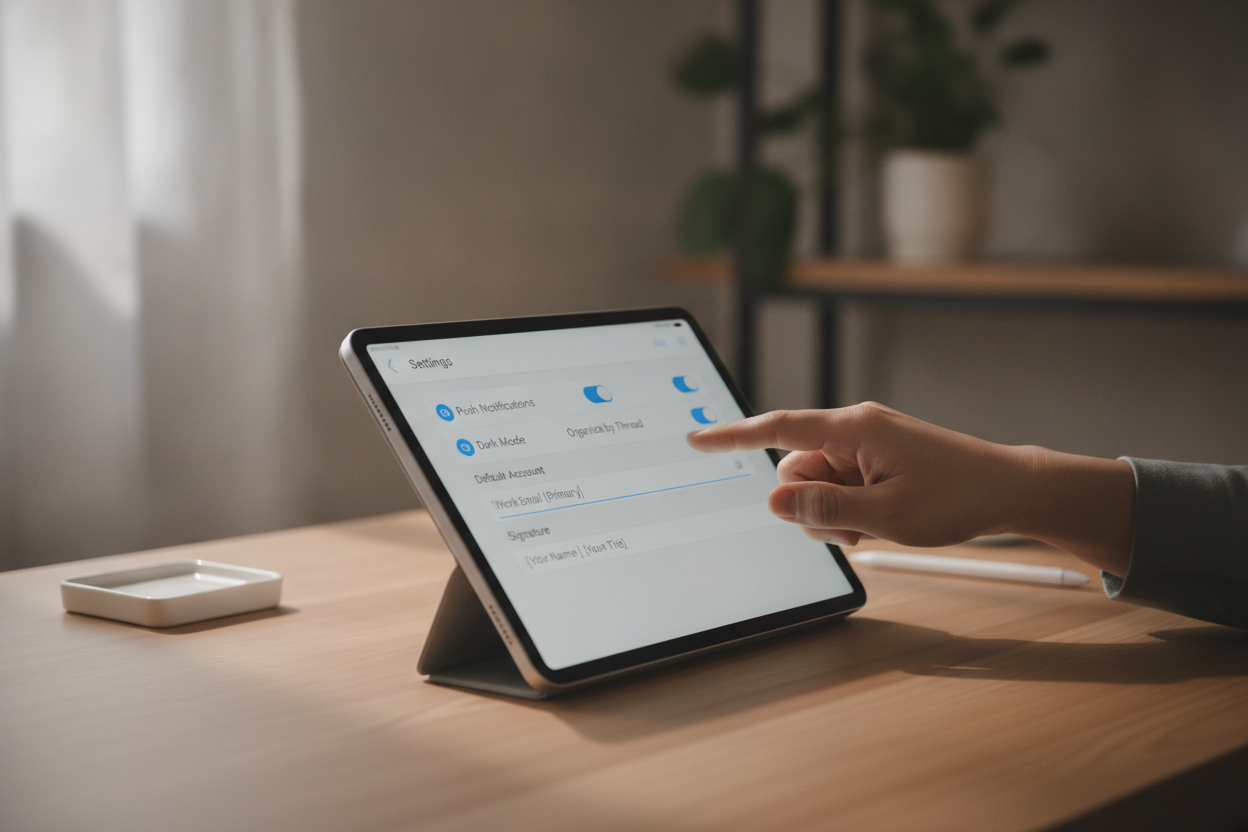
A well-designed email preference center is the single most effective tool for converting potential unsubscribes into retained, engaged subscribers. By giving recipients real control over what they receive and how often, preference centers reduce full opt-outs by 20% to 40% in most programs, while simultaneously generating first-party data that improves segmentation, personalization, and long-term deliverability.
The default unsubscribe experience for most email programs is binary: you are either subscribed, or you are not. A subscriber who is getting too many promotional emails but still wants your weekly digest clicks unsubscribe and disappears entirely, because that was the only option presented. That is not a subscriber who hated your brand. That is a subscriber your email program failed by offering a light switch when what they needed was a dimmer.
Preference centers fix this by replacing that binary choice with a spectrum of options. The subscriber who was about to leave can instead dial down to one email per week, opt out of promotional sends while keeping editorial content, or switch from daily to weekly digest format. Every one of those outcomes is better than a full unsubscribe, both for the subscriber's experience and for your sender reputation.
Industry data consistently shows that email programs with functioning preference centers retain 25% to 35% more subscribers annually than those relying on the standard one-click unsubscribe alone. The compounding effect on list size over 12 to 24 months is significant.
The problem is that most preference centers are an afterthought. They were built once, five years ago, by someone who no longer works at the company. They load slowly on mobile. They offer choices that do not map to actual sending streams. They require a login that nobody remembers. The result is a preference center that exists on paper but drives almost zero engagement, leaving the binary unsubscribe link as the de facto experience for unhappy subscribers.
Building a preference center that actually works starts with understanding what choices your subscribers genuinely care about. Frequency is almost always the most requested control. Research from various email industry surveys consistently places "too many emails" as the number one reason people unsubscribe, ahead of irrelevant content by a wide margin. If your preference center does not let subscribers adjust frequency, you are ignoring the primary driver of opt-outs.
Content type is the second most valuable dimension. A media company might let subscribers choose between breaking news, opinion, sports, and business. A retailer might separate sale alerts from new arrivals and loyalty program updates. A SaaS company might split product updates from educational content and billing notifications. The key is that these categories must map directly to real sending streams that your ESP can target. Offering six content categories in a preference center while sending from two undifferentiated lists creates a trust violation the moment subscribers realize their selections changed nothing.
This is where your sending infrastructure matters more than your frontend design. Your preference center is only as good as your ability to honor the choices it presents. If a subscriber selects "weekly digest only" and your system cannot enforce that frequency cap, the preference center becomes a liability instead of an asset. Platforms like Market Rithm's Deployer handle this by tying preference data directly to audience segmentation and send logic, so that frequency and content selections are enforced at the campaign level, not just stored in a database field that someone has to remember to check manually.
Channel preference is a third dimension worth considering, particularly for organizations that communicate across email, SMS, push notifications, and in-app messaging. Letting subscribers indicate which channels they prefer for different types of communication reduces the feeling of being bombarded across every touchpoint simultaneously. Even if you only offer email today, building the preference center with channel flexibility in mind saves you from rebuilding it six months from now when SMS enters the mix.
| Preference Dimension | Impact on Unsubscribes | Implementation Complexity |
|---|---|---|
| Frequency control | High (addresses #1 unsubscribe reason) | Medium (requires frequency capping in ESP) |
| Content type selection | High (reduces irrelevance complaints) | Medium (requires segmented send streams) |
| Channel preference | Moderate (prevents cross-channel fatigue) | High (requires multi-channel orchestration) |
| Format preference (HTML vs. text, digest vs. individual) | Low to moderate | Low |
| Pause/snooze option | High (captures temporary opt-outs) | Low (time-based suppression) |
The pause or snooze function deserves special attention because it addresses a use case that frequency and content controls do not: the subscriber who wants to stop hearing from you temporarily. Holiday seasons, busy periods at work, or simply inbox overload can drive unsubscribes from people who fully intend to re-engage later. A "pause for 30 days" button gives them that option without losing them from your list. It is one of the simplest features to implement and one of the most effective at retaining subscribers who would otherwise become permanent opt-outs.
Design and accessibility matter more than most email teams realize. Your preference center should load in under two seconds on a mobile device. It should not require a password. It should pre-populate with the subscriber's current selections so they can see what they are receiving now and adjust from that baseline. Every additional friction point between the unsubscribe link and the preference center costs you subscribers who will take the easier path of opting out entirely.
Progressive profiling is an advanced technique that turns the preference center from a retention tool into a data collection asset. Instead of asking for all preferences at once, you surface one or two additional questions each time a subscriber visits. Over time, you build a rich preference profile without overwhelming people with a lengthy form. This data feeds directly into personalization and segmentation, improving relevance in a way that reduces the unsubscribe impulse at its source.
"The best preference center is one your subscribers actually use. Every form field you add, every extra click you require, and every second of load time you tolerate is a barrier between a retained subscriber and a lost one."
Promotion of your preference center is where most programs fall short. Burying the link in the footer of your emails, next to the unsubscribe link, guarantees that the only people who find it are already frustrated enough to scroll to the bottom looking for a way out. Instead, dedicate a lifecycle email specifically to preference collection. Send it during onboarding, when engagement is highest and subscribers are most willing to invest in configuring their experience. Reference it in your welcome series. Include a prominent link in the header or body of your regular sends, not just the footer.
Triggered re-engagement campaigns should also route through the preference center before making the final unsubscribe pitch. When a subscriber has not opened in 90 days, the typical win-back email says "we miss you" and offers a discount. A smarter version says "your preferences may have changed" and links directly to the preference center. You are giving them agency instead of pressure, and the conversion rates on preference updates versus re-engagement discounts are comparable, with the added benefit that updated preferences produce genuine long-term engagement instead of a one-time transactional open.
There is a deliverability angle here that often goes unmentioned. Subscribers who actively manage their preferences tend to generate stronger engagement signals. They open more consistently, click more deliberately, and complain less to ISPs, because they are receiving what they asked for. Over time, this self-selected engagement pattern improves your sender reputation at the mailbox provider level. Tools that incorporate algorithmic suppression, like Smart Suppressions, can complement this by automatically identifying disengaged subscribers and reducing send volume to them, but preference centers address the root cause by preventing disengagement from forming in the first place.
Measurement is the final piece. Track preference center visit rates, update rates, and the correlation between preference updates and subsequent engagement. Monitor whether subscribers who update preferences show lower unsubscribe rates over the following 90 days compared to those who do not. If your preference center is working, you should see a measurable gap. If you do not, the choices you are offering may not align with what your subscribers actually want, and that is a signal to survey, test, and iterate.
A preference center is not a project you build once and forget. It is a living part of your email program that should evolve as your sending streams change, your audience grows, and your data on subscriber behavior deepens. The programs that treat it as ongoing infrastructure, not a compliance checkbox, consistently outperform on retention, engagement, and deliverability. The investment is modest. The compounding returns are not.
How does an email preference center reduce unsubscribes?
A preference center gives subscribers alternatives to a full opt-out by letting them adjust email frequency, choose specific content types, or pause emails temporarily. This converts what would be permanent unsubscribes into preference modifications, retaining subscribers who are unhappy with one aspect of your program but still want to hear from you in some capacity. Most programs see a 20% to 40% reduction in full opt-outs after implementing a well-designed preference center.
What options should I include in my email preference center?
At minimum, include frequency controls (daily, weekly, monthly) and content type selections that map to your actual sending streams. A pause or snooze option captures temporary opt-outs. If you send across multiple channels, channel preference adds another layer of control. The choices you offer must be enforceable by your sending platform; presenting options you cannot honor damages subscriber trust.
Where should I promote my preference center?
Include it in your onboarding or welcome series when engagement and willingness to configure are highest. Add a visible link in the body or header of regular sends, not just the footer. Use it as the primary destination in re-engagement campaigns before making a final unsubscribe ask. Treating it as a footer-only link guarantees that only already-frustrated subscribers will find it.
Should my preference center require a login?
No. Requiring authentication creates friction that drives subscribers toward the easier unsubscribe link instead. Use tokenized URLs in your emails that pre-authenticate the subscriber and pre-populate their current preferences. The goal is to make updating preferences easier than unsubscribing, not harder.
How do I measure whether my preference center is working?
Track three metrics: preference center visit rate (percentage of recipients who click through), update rate (percentage of visitors who change at least one setting), and post-update engagement lift (open and click rates in the 90 days after a preference update compared to a control group). If subscribers who update preferences show higher retention and engagement, your center is doing its job.
